House Clearance Raynes Park: Recycling and Sustainability Commitment
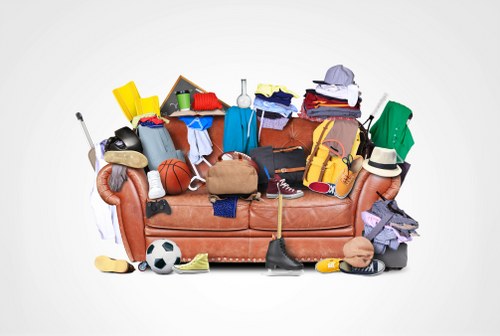 At House Clearance Raynes Park we make an active pledge to manage clearances with an eco-friendly waste disposal area focus. Our Raynes Park house clearance services combine practical clearance work with a broader environmental responsibility: reducing landfill, boosting reuse, and supporting the borough's move to more circular, low-carbon waste systems. This page describes our recycling and sustainability approach, our measurable recycling percentage target, and how we collaborate with local partners to keep the community clean and green.
Our approach to clearance Raynes Park projects starts with careful on-site sorting so materials are diverted at source. We separate recyclables such as glass, paper and card, mixed plastics, metals, textiles, and electrical items. We also take account of the borough approach to waste separation—many local councils in south-west London operate kerbside food-waste collections, separate garden-waste schemes, and bring banks for specific streams—and we align our operations with those local systems to maximize capture.
 Sustainability is measurable. Our current target for every house clearance in Raynes Park is a 75% recycling and reuse rate within three years, rising to an 85% aspiration for bulky-item clearance by 2030. These targets reflect a pragmatic, incremental plan: first reduce avoidable disposal, then increase reuse and refurbishment pathways, and finally close loops by routing materials to local reprocessing or community reuse hubs.
Low-Carbon Transport and Local Transfer Stations
We operate a fleet of low-emission and electric vans for house clearance in Raynes Park to reduce the carbon footprint of every job. Our low-carbon vans include plug-in electric and Euro 6 hybrid vehicles, routed to minimise mileage and idling. Where larger vehicles are needed, we use efficient load planning to lower trips. Using low-emission transport is central to creating a genuine sustainable rubbish area in the borough—less pollution, lower noise, and better air quality for residents.
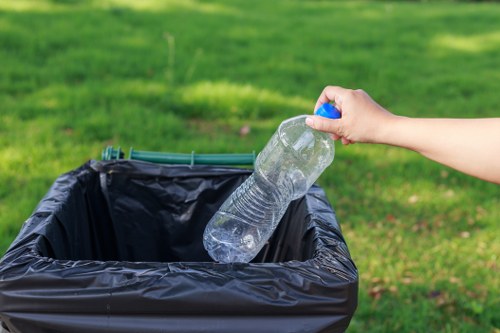 Our logistics include established links with local transfer stations and community recycling centres. After on-site sorting, materials are taken to nearby recycling transfer facilities in the London Borough of Merton or neighbouring borough transfer stations for onward processing. These transfer stations accept segregated loads—so glass, paper, mixed recyclables, wood, and non-hazardous construction debris can be swiftly moved into the correct downstream treatment streams.
By coordinating with local transfer infrastructure we cut down on double-handling and make sure each material goes to the right recovery route. For example, reusable furniture is directed to reuse partners, electricals to licensed WEEE processors, and construction waste to aggregate recovery where possible. This practical routing supports a healthier local environment and builds capacity in the local waste-disposal area.
Charity Partnerships, Reuse and Community Benefit
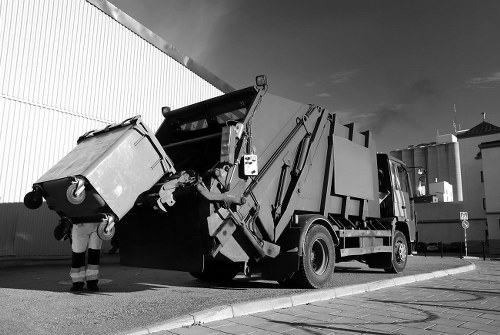 We work closely with charities and social enterprises to ensure good-quality items get a second life. Partnerships with local furniture reuse charities, textiles recyclers, and community projects are a key part of our Raynes Park house clearance model. Items that can be refurbished—fitted kitchens, furniture, lamps, books—are evaluated and offered to partner organisations before any disposal. That helps reduce waste while supporting local people in need.
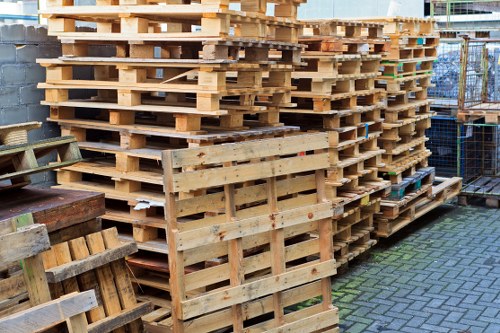 Our sustainable rubbish area strategy emphasises donation and resale where feasible. We maintain formal agreements with several collection partners who run charity shops and reuse centres across the borough and wider London area. By doing so, we keep functional goods out of the waste stream and help extend the useful life of household items—an important element of circular-economy thinking at the local level.
To complement reuse we also operate clear protocols for hazardous and specialist waste removal, ensuring safe segregation and licensed treatment. Batteries, paints, solvents, and WEEE are handled separately and never mixed into general loads. Our documentation tracks material flows so clients and community stakeholders can see performance against our recycling percentage target and audit our sustainability claims.
Practical Recycling Activities in Raynes Park
Typical recycling activity for a house clearance in Raynes Park includes:
- Kerbside-style separation on-site: paper/card, cans and plastics, and glass segregated;
- Food- and garden-waste diversion where applicable to local schemes;
- Textiles and footwear diverted to clothing recyclers or charity outlets;
- WEEE and hazardous items taken to licensed processors;
- Bulky furniture assessed for reuse and repaired where practical.
Our teams are trained to work within local council frameworks and to advise on how residents can support recycling from the point of clearance. Simple actions—like pre-sorting, labelling items for donation, and separating mixed loads—make a measurable difference to overall capture rates and reduce the burden on the transfer stations.
In summary, whether you search for house clearance Raynes Park, clearance Raynes Park, or a professional Raynes Park house clearance team, our sustainability plan delivers low-carbon logistics, high reuse rates, transparent materials routing, and strong partnerships with local transfer stations and charities. We are committed to an ambitious recycling percentage target and to helping create a long-term, eco-friendly waste disposal area for the community.